
No-limit and high-limit betting in the UK: what "no limit" really means, and which bookmakers stand out for high-stakes punters
 Available in US
Most UK-facing bookmakers do not advertise a maximum stake, because a number is the easiest thing for a sharp punter to exploit. What they advertise is the offer, the brand, the price, the live stream, the acca boost. Somewhere inside the small print sits a stake ceiling that varies by market, by event, by customer and, often, by what the operator’s risk team thinks of your recent run. The phrase “no limit” has travelled a long way from where it started in finance, and on a betting site in 2026 it almost never means what it says.
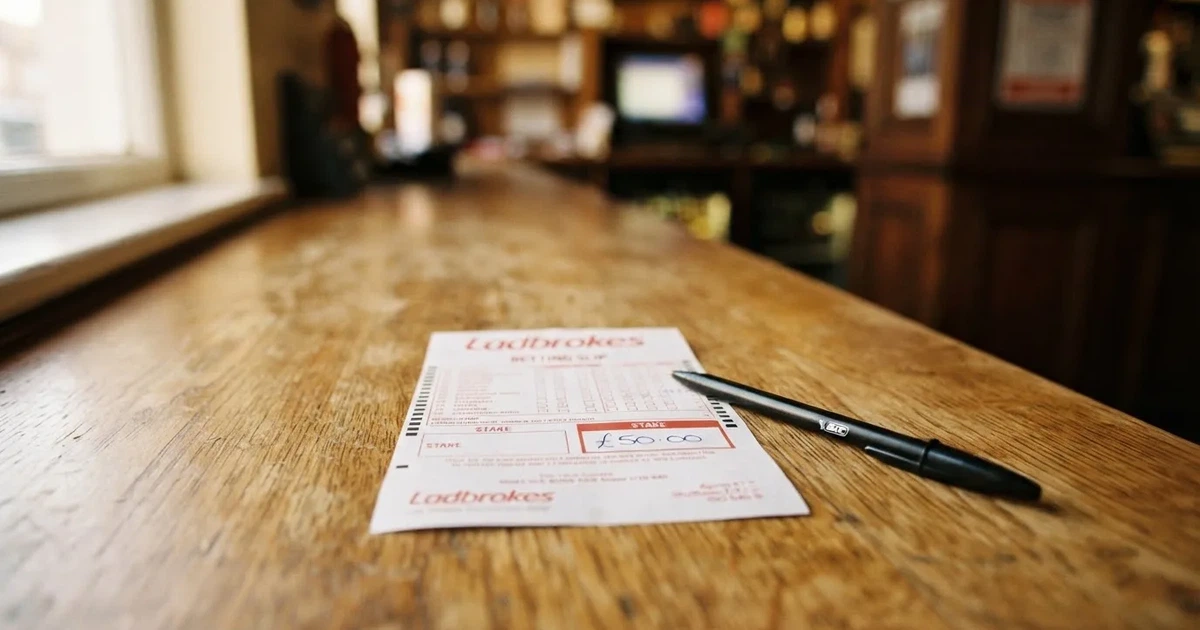
A betting site is “no limit” when it does not advertise a fixed maximum stake for a given market, or when it negotiates the ceiling on request. It is not a licence category, not a regulator-defined status, and not a guarantee that any size of stake will be accepted on any selection. It is a commercial choice, set by the bookmaker and changed when the bookmaker’s exposure on a market moves. The headline claim is the marketing. The exposure is the reality.
This page works through what high-limit and no-limit betting actually is in the British market in 2026, what it costs the bettor who chases it, and which of ten Gambling Commission-licensed brands sit closer to the unmarked-stake end of the spectrum than the rest. The angle throughout is cost — what staking a book at the upper end of its range really takes out of the punter, and what the brands on offer take back in margin, in rules, and in the discretion they keep.
*Current as of 27 October 2026 and verified against the Gambling Commission’s public register.*
Where “No Limit” Sits in British Law
The legal frame around a “no-limit” claim is shorter than the marketing suggests. There is no statute in Great Britain that caps stakes on sports betting, no minimum-stake rule, and no published list of markets that may be offered. An operator licensed by the Gambling Commission chooses its own maximum stake on each market, per event, and may change it without notice. The ceiling is not a regulatory floor: it is the operator’s own exposure limit, kept as quiet as the marketing team can manage.

The Gambling Act 2005 covers England, Scotland and Wales. Northern Ireland is outside the Act and has its own older regime, so a “GB licence” regulates a brand for customers in Great Britain, not for Northern Ireland. The Gambling (Licensing and Advertising) Act 2014 closed the offshore loophole: any operator whose remote facilities are used in Great Britain needs a Commission licence regardless of where it is based, and a Curaçao or Malta licence is no substitute at the point of consumption. Providing gambling facilities in Great Britain without the licence the Act requires is an offence under section 33 of the 2005 Act, with up to 51 weeks’ imprisonment, a fine up to level 5, or both on summary conviction (six months in Scotland) — aimed at the operator, not the punter.
What that frame does not give the punter is a number. The Commission licenses categories, not stakes. A remote general betting standard (real events) licence allows an operator to take bets on real sporting events under its own rules and the Licence Conditions and Codes of Practice (LCCP). A separate remote betting intermediary licence covers exchanges. There is no licence called “no limit”, no category that exempts an operator from setting exposure ceilings, and no public obligation to publish the ceiling. The brand decides; the punter finds out on the bet slip.
The practical check is also short. The Commission’s public register can be searched by business name, trading name, domain or account number, and is the whole test of whether a brand holds a British licence. The register lists categories, trading names, and the operating company, not stake limits. A GB licence tells a punter nothing about how much they can stake on a Saturday accumulator. It tells them whether the brand is allowed to take the bet at all.
A related line runs through financial spread betting. Spreadex, for example, is regulated by the Financial Conduct Authority for its spread-betting products and by the Gambling Commission for its fixed-odds book, and the FCA rules do not change the maximum stake a punter can place — but the underlying spread-bet mechanics mean that losses can exceed the deposit. “No limit” in spread betting means losses with no ceiling, not stakes with no ceiling, and the two are very different propositions. A punter reading “no limit” should read the category first and the marketing second.
Responsible Gambling and the “No Deposit Limit” Question
“No deposit limit” is the phrase that draws most search traffic around this subject, and it is a different question from “no stake limit”. A stake limit is what the bookmaker sets on a market. A deposit limit is a customer-set ceiling on what they will fund into their account over a chosen window, and the rules around it changed meaningfully in the British market in recent years.
Remote Technical Standard 12 of the LCCP requires licensed remote operators to offer a gross deposit limit on a fixed time frame. The first changes applied from 31 October 2025, a second phase was postponed to 30 September 2026, and whether that second phase is live has not been established in the register snapshot this page is built on. What is established is the principle: a deposit limit is a customer-tool, not a regulator cap, and a punter who has not set one has no enforced ceiling on what they can move into the book.
The other side of “no deposit limit” is the self-exclusion register. GAMSTOP is the national multi-operator online self-exclusion scheme and a mandatory licence condition for online operators since 31 March 2020. A punter who registers with GAMSTOP is excluded from every GB-licensed online bookmaker for the period they choose — six months, one year, five years, or five years with auto-renewal — and after the minimum period the exclusion stays in place for a further seven years unless the customer asks GAMSTOP to remove it. No brand on a GB licence is exempt, including the high-stake-friendly ones reviewed further down.
The financial vulnerability check sits underneath the deposit limit, not on top of it. LCCP condition 3.4.4, in force since 30 August 2024, applies to licensed remote betting when a customer’s deposits minus withdrawals exceed £150 in a rolling 30 days, and the £150 threshold itself has applied since 28 February 2025. It is a public-record check — looking for things like bankruptcy or county court judgments — not an income check and not a credit reference check. Above the £150 net-deposit line, the bookmaker opens a check; below it, the punter has not triggered one. The wider financial risk assessments (the “affordability checks” of the press) sit in a Commission plan announced on 7 July 2026, staged, with no start date, and a punter reading this in 2026 should treat them as announced, not in force.
The practical shape for a punter chasing high stakes is this. There is no GB-set ceiling on what they can deposit at a licensed bookmaker. There is a regulator-required deposit-limit tool they can switch on. There is a vulnerability check above £150 net in 30 days. And there is GAMSTOP, which is a hard wall if a punter has registered. “No deposit limit” in the search sense usually means “I do not want a regulator-imposed ceiling” — and the regulator does not impose one. The ceiling, when one is set, is the punter’s own.
The marketing phrase “no deposit limit” can also be read the other way. A bookmaker that advertises no customer-imposed deposit limit is saying that the default account has no cap on how much can flow in. That is the GB default, and is not a feature of one brand over another; it is the starting position of every GB-licensed account until the customer goes into safer-gambling settings and turns one on.
The help services are the same whichever ceiling applies. GamCare runs the National Gambling Helpline. GambleAware funds treatment and research. The NHS runs gambling clinics. Gamblers Anonymous runs meetings. None of them is the right service at the moment a punter is sizing up an accumulator; they are the right service before the bettor decides how much they can afford to lose.
Crypto and Anonymity: Why the GB Market Is Quiet on Both
The high-limit and “no limit” conversation pulls in a second cluster around cryptocurrency and anonymity. The reason it pulls is that crypto-ledger deposits are how offshore sportsbooks have historically stayed outside the GB point-of-consumption regime: a Curaçao-licensed book, settled in Bitcoin, accepts a UK customer and the customer never enters the GB-regulated perimeter at all. That is the offer. It is also the problem.
GB licensing takes the identity out of anonymity. Since 7 May 2019, GB-licensed remote operators verify name, address and date of birth before a customer can deposit or gamble, including with a free bet or bonus. A punter who wants to stake at a GB-licensed book accepts that verification. A punter who wants anonymity does not get there through a GB-licensed book. The two choices — GB-licensed with verification, or unlicensed without it — are not blends. There is no GB-licensed anonymous bookmaker. There is no licensed route that keeps the customer’s identity out of the book.
A second rule follows from the first. Credit cards are banned for gambling in Great Britain (since 14 April 2020, LCCP condition 6.1.2), including credit-card-funded payments through an e-wallet. Debit cards and bank-based payments are not covered. Crypto on a GB-licensed book is governed by the operator’s payment terms and the operator’s source-of-funds obligations under the money-laundering rules; the bank transfer or card behind the crypto buy is where the credit-card ban can bite. None of the ten brands reviewed below accepts credit cards; the question of which accept crypto at all is not established in the snapshot this page is built on.
The honest framing is that the “no limit” and the “crypto / anonymous” clusters meet at the same wall. A GB-licensed book is identifiable and verifiable. An anonymous book is offshore, unlicensed for GB purposes, and outside the bonus cap, the GAMSTOP coverage, the Commission complaints route, and the approved dispute-resolution bodies. The punter who values the no-limit offer and the punter who values the anonymity are not served by the same bookmaker, and the GB market is not built to serve both at once.
What a “Limit” Actually Is: Bet Types, Markets, and the Mechanics of the Ceiling
The ceiling sits inside the bet, not on top of it. There are four places a bookmaker draws a line and they are not interchangeable.
The first is the market ceiling. This is the maximum stake the bookmaker will publish against a market for a given selection, and it is the number a punter sees on the bet slip when they push the stake up past the operator’s own envelope. The market ceiling is per-selection, per-event, and frequently changes in the run-up to the event as the book re-prices risk. A Premier League match on a Saturday afternoon may have a £10,000 ceiling at one book and a £500 ceiling at another, and both numbers are legal.
The second is the customer ceiling. This is the ceiling set on a particular account, often after the customer has won repeatedly. The bookmaker’s risk team can lower the maximum stake a single account can place, can restrict the markets the account can bet on, or can close the account. The customer ceiling is the one that does not advertise itself. The customer sees a smaller bet slip and a thinner set of markets, and the customer often does not know why.
The third is the exposure ceiling. This is the bookmaker’s own aggregate ceiling on a market across all customers. The exchange sits closest to this idea: a betting exchange runs customers against each other rather than against the book, and the liquidity available at a price is the ceiling for a stake at that price. The bookmaker’s traditional sportsbook runs a similar ceiling internally; the ceiling rarely surfaces in the bettor’s UI because the bookmaker usually closes the price before it hits.
The fourth is the minimum bet. The minimum stake on a market is also a “limit” in the strict sense — the lower boundary below which a bookmaker will not accept a stake. Minimum bet limits are tighter on combination bets and on heavily-liquid markets; an exchange can price a £0.10 stake. A traditional sportsbook will not.
Each of these four sits inside a different mechanical frame. The market ceiling is the operator’s pricing decision. The customer ceiling is the operator’s risk decision. The exposure ceiling is the operator’s capital decision. The minimum bet is the operator’s commercial decision. A punter chasing “no limit” is most often chasing the first two: a higher market ceiling and a more permissive customer ceiling. They get neither by asking; they get both by the operator’s own commercial choice, and the choice can be reversed without notice.
The British conversation for strip-and-frame is “single” (one selection), “double” (two), “treble” (three), “accumulator” or “acca” (four or more), “each-way” (two equal-stake bets), “bet builder” or “same-game multi” (combining markets from one event into one bet), and “cash out” (settling a position before the event closes). Each carries its own ceiling. A bet builder combining match result, goalscorers and corners across a Premier League fixture may take a much smaller stake than the underlying match-result market. The 90-minute-payout markets, the BTTS markets, the over/under totals, the handicaps — all sit at their own ceilings.
Combination bets multiply the price, not the ceiling. A 1.90 / 1.90 double prices at 3.61, but the maximum stake on the double is whatever the bookmaker says the maximum stake on the double is. The price calculation does not loosen the stake calculation.
Sports, Tournaments and Where the Ceiling Bites Hardest
The ceiling is not uniform across a bookmaker’s sports menu. Football carries the deepest liquidity and the highest market ceilings — Premier League, Champions League, the European Championships in their tournament year, the World Cup in its tournament year. The maximum stake on a Premier League match-result selection at a large book runs into five figures; the maximum stake on a Conference tie at the same book may run into hundreds. The ceiling is set against the liquidity the bookmaker expects to take on the other side, not against the sport as a category.
Horse racing has its own mechanics. The starting price (SP) is the price the runner is sent off at on the racecourse, and Best Odds Guaranteed (BOG) is the rule that pays the higher of the early or show price and the SP if the SP is bigger. William Hill, for example, pays BOG on UK and Irish racing from 8 AM on the day of the race, on both single and multiple bets; the rule does not apply to ante-post, tote or pari-mutuel bets. Coral pays BOG on all UK and Irish horse racing from 8 AM each morning and on every UK greyhound race. The BOG rule does not change the ceiling; the ceiling on a BOG-eligible market is set as if SP were not the reference. But the BOG-eligible markets are exactly the markets a high-staking punter tends to play, and the ceiling on those markets is often the loosest ceiling a book offers.
Cricket and US sports carry their own shape. A Test match or an IPL fixture sits in a market with a thinner liquidity pool than Premier League football, and the maximum stake on a single selection can be a tenth of the football equivalent. The same holds for golf, tennis outside the majors, and the less-followed football leagues. A bookmaker listing two hundred leagues is not offering the same ceiling across all two hundred; the ceiling on a Mongolian third-division match is the ceiling of the operator’s risk team, not the operator’s marketing team.
In-play markets tighten the ceiling further. The bookmaker re-prices risk as the event unfolds; the maximum stake on a 1X2 market at kick-off is not the maximum stake on the same market at 70 minutes, and an in-play book can close the market for new business entirely. Live betting is not a relaxed market for high stakes; it is a tighter one.
Esports are treated like any other event by GB bookmakers. Virtual events are a separate licence category, and a bookmaker with a real-event licence does not necessarily have a virtual-event licence. Bets on politics, TV shows and novelty markets are offered by GB bookmakers, and no statutory prohibition was found; the ceiling on those markets is the operator’s call.
The tournament calendar moves the ceiling around. A Champions League knockout round lifts the ceiling on the relevant matches. A World Cup year lifts the ceiling across the national-team markets. A non-event Saturday — no Premier League, no international football, no live racing — pulls the ceiling back. The ceiling is per-event, per-window, per-market, and the punter who chases high stakes plans around the calendar rather than around the marketing.
How a Bet Is Built, Priced and Settled
A bookmaker’s price carries the margin inside it. The “margin” — also called the overround — is the share of every pound staked across all outcomes that the bookmaker keeps on average. The margin is not a fee; it is the difference between the true probabilities implied by the prices and 100 per cent. A market with two outcomes priced at 1.91 / 1.91 has the implied probabilities at about 52.4 per cent on each side, summing to 104.8 per cent. The 4.8 percentage points above 100 are the margin.
Take the worked example this page is built on: an illustrative two-way market at decimal odds of 1.90 / 1.90. The payout share for a unit staked across both outcomes is 1 ÷ (1/1.90 + 1/1.90) = 1 ÷ 1.0526… = 0.95. The margin is 1 minus 0.95 = 0.05, or 5 per cent. For every unit bet across the market on average, the bookmaker keeps five pence. The price maths (1 × 1.90 − 1 = 0.90) shows what a winning single bet pays back: stake times odds as the return, with the difference between return and stake as the profit. A £100 stake at 1.90 returns £190; the profit is £90.
The same formula gives the same answer in either odds format. The same 1.90 in decimal is 9/10 (or “ten to eleven” in some British shops, evens being 1/1) in fractional form: a £100 stake at 9/10 returns £190, profit £90. A punter reading prices on a UK site will see fractional in many places and decimal in many others; both formats carry the same margin.
The payout share is the inverse of the margin. A 95 per cent payout share is a 5 per cent margin, and the two are the same market described from two sides. The punter sees the price; the bookmaker sees the margin. A market with a 2 per cent margin pays back more often than a market with a 5 per cent margin, all else equal. The headline price of a market can be 1.90 / 1.90 with a 5 per cent margin; the headline price of another market can be 1.95 / 1.95 with about a 2.5 per cent margin. The higher payout share does not mean the punter is more likely to win; it means the bookmaker is taking less of every pound staked.
A free bet is priced the same way, but the stake is not returned with a win. A £30 free bet at decimal odds of 4.0 wins the platform £90 (£30 × (4.0 − 1)) and returns nothing on the stake. The expected value of the free bet is the win amount times the payout share at those odds, divided by the odds — what the free bet is worth on average, not what it wins on any one outcome.
Combination bets multiply the price but not the margin cleanly. A 1.90 / 1.90 double has the decimal price 3.61 and the implied probability of about 27.7 per cent per outcome pair, but the payout share of the double is the product of the payout shares of the two single legs if the legs are independent — about 0.95 × 0.95 = 0.9025, or a 9.75 per cent margin. The more legs, the higher the cumulative margin. A five-fold accumulator at five legs of 1.90 each carries a margin of about 22.6 per cent at the bottom end, even before price boosts and acca insurances are layered on. Each acca boost or insurance changes the headline price without changing the underlying margin arithmetic.
The settlement is what the punter sees. A single bet wins at the price taken. A combination bet wins only if all legs win. An each-way bet settles as two equal-stake bets: a win bet at the price taken and a place bet at the place terms. A bet builder is a combination bet scoped to one event. A cash out settles the position at a price the bookmaker offers at the moment the punter hits the button; the bookmaker does not guarantee cash-out availability. The settle is the easy part of a bet to read; the price is the part that quietly carries the cost.
The Ten Bookmakers, Side by Side
The brands reviewed below are the ten GB-licensed operators the Gambling Commission’s public register lists against a remote licence covering real-event betting (or, in one case, a betting-intermediary licence). Every brand on this page holds a current licence as of the snapshot this page is built on, and every brand is subject to the LCCP, GAMSTOP, the £150 vulnerability-check threshold and the credit-card ban. The page does not endorse any of them, and the order is editorial, not a ranking of how “no limit” each bookmaker is — the register lists stake ceilings per market, per event, per customer, and the public information does not support a clean ranking on that axis.
The comparison below uses one column set: the brand, the Gambling Commission remote licence number and licence holder, and what that operator’s own terms state about limits on staking or about the ceiling on a particular market. The page does not print stake ceilings where the register does not publish them and the operator’s terms do not surface them.
| Brand | Gambling Commission remote licence number and licence holder | What the operator’s own terms state on the key’s subject |
|---|---|---|
| Star Sports | 009177-R-104555-019 (account 9177), Star Racing Limited | Pre-event and in-play markets with Bet Boosts, Daily Specials and Weekend Enhanced Boosts; in-play on football, horse racing, golf and US sports. Stake ceiling per market not published. |
| NetBet | 039170-R-319343-032 (account 39170), Netbet Enterprises Limited | Daily Boosts, Profit Boosts and free bet offers; Bet Builder with instant dynamic odds; sports stats for major leagues. Stake ceiling per market not published. |
| Swifty Sports | 058957-R-334734-006 (account 58957), Swifty Global (UK) Ltd | Best Odds Guaranteed, Cash Out on horse racing and football, daily price boosts, live streaming and in-play betting; Bet Builder listed as coming soon. |
| Lottoland | 038991-R-319408-020 (account 38991), EU Lotto Limited | Combines casino, lottery betting, sports betting and scratchcards; licensed by the Commission for customers in Great Britain. Sports betting stake ceiling per market not published. |
| DragonBet | 064908-R-339041-003 (account 64908), DragonBet Ltd | Welsh football and rugby markets, racing, American football, in-play betting and bet builder markets. Stake ceiling per market not published. |
| Hollywoodbets | 053028-R-330019-013 (account 53028), Hollywoodbets International UK Limited | Sports welcome offer: first qualifying losing accumulator of £10 or more at minimum odds of 4/1 returns the stake as a free bet up to £30; 3+ legs, settled within 7 days; one free bet per customer. |
| Bet600 | 044731-R-323941-016 (account 44731), Tyche Tech Limited | Best Odds Guaranteed on horse racing: if the SP is bigger than the early or show price, the bet is paid at the SP. |
| VBet | 044662-R-324273-022 (account 44662), SCGO Limited | Bet Builder, pre-match and in-play betting, live streaming and a live calendar with results and stats. |
| Smarkets | 039173-R-319366-011 (account 39173), Smarkets (Malta) Limited | Standard commission 2 per cent on eligible exchange bets; new customers 0 per cent commission for 60 days with a minimum first deposit of £10. Exchange liquidity per market is the stake ceiling. |
| BetUK | 039198-R-319450-029 (account 39198), LeoVegas Gaming PLC | Free bets exclude virtual sports, esports and non-UK/IE horse racing; minimum odds apply. |
The licence holders are the entities the Gambling Commission’s public register names. Several large groups hold multiple licences; the brand is the trading name the punter sees, the licence holder is the company that owns the GB licence.
Star Sports
Star Sports runs a traditional sportsbook with pre-event and in-play markets, a stack of Bet Boosts, Daily Specials and Weekend Enhanced Boosts, and live betting on football, horse racing, golf and US sports. The licence is held by Star Racing Limited under Commission account 9177. The market ceiling per selection is not published, and the operator’s terms do not surface a headline maximum stake. The product mix — racing, football, US sports — is the deeper end of British liquidity, and the brand sits closer to a sharper-punter product than the average large UK book. For a punter chasing high stakes, that mix matters more than the absence of an advertised ceiling.
NetBet
NetBet runs a wider sportsbook with Daily Boosts, Profit Boosts and free bet offers, a Bet Builder with instant dynamic odds and a stats module for major leagues. The licence is held by Netbet Enterprises Limited under Commission account 39170. NetBet’s product leans into the acca market — the Price Boost / Profit Boost architecture is the giveaway — and the Bet Builder with dynamic odds is the brand’s answer to the same-game-multi category that drives much of the high-stake action in football. Stake ceilings per market are not published.
Swifty Sports
Swifty Sports is a smaller GB book with Best Odds Guaranteed on racing, Cash Out on horse racing and football, daily price boosts, live streaming and in-play betting; a Bet Builder is listed as coming soon. The licence is held by Swifty Global (UK) Ltd under Commission account 58957. The product mix — racing-led with football as the second sport — puts the brand in the price-conscious end of the GB market, and the BOG rule is the centre of the offer. Smaller-brand books tend to publish looser maximum stakes on their headline markets than the big books; the operator’s terms do not surface the number.
Lottoland
Lottoland is a hybrid — casino, lottery betting, sports betting and scratchcards under one GB licence. The licence is held by EU Lotto Limited under Commission account 38991. The sportsbook is the smaller part of the offer, and the maximum stake per market sits inside the wider lottery-led product. A punter after high sports stakes is unlikely to find Lottoland the obvious fit; a punter who wants the lottery-betting product and a casual sportsbook may find it.
DragonBet
DragonBet is a Welsh-flavoured book — markets on Welsh football and rugby, plus racing, American football, in-play and bet builder markets. The licence is held by DragonBet Ltd under Commission account 64908. The market ceiling per selection is not published. The niche product is the centre of the offer; the international sports menu is thinner than the big books. A high-stakes punter after a deep sports menu will find less; a punter after Welsh sport with a GB licence will find more here than anywhere else.
Hollywoodbets
Hollywoodbets is a South African-headquartered brand with a UK-facing sportsbook. The licence is held by Hollywoodbets International UK Limited under Commission account 53028. The published welcome offer is a free-bet-on-rescue: a first qualifying losing accumulator of £10 or more at minimum odds of 4/1 (3+ legs, settled within 7 days) returns the stake as a free bet up to £30, one per customer. The offer is deposit-gated and qualification-gated; the headline number is the cap, not the stake ceiling on the underlying market.
Bet600
Bet600 is a racing-led GB book with Best Odds Guaranteed on horse racing — the rule pays the SP if the SP is bigger than the early or show price. The licence is held by Tyche Tech Limited under Commission account 44731. The product mix is racing-heavy, and the BOG rule is the centre of the offer. Racing markets with BOG tend to be among the looser ceiling markets on a GB sportsbook; the operator’s terms do not publish the ceiling.
VBet
VBet is a multi-product brand — Bet Builder, pre-match and in-play betting, live streaming and a live calendar with results and stats. The licence is held by SCGO Limited under Commission account 44662. The product mix is wider than most of the smaller GB books; the live streaming and the live calendar are the centre of the offer. The market ceiling per selection is not published, and the brand sits in the middle of the high-stakes-friendliness spectrum the register supports.
Smarkets
Smarkets is a betting exchange rather than a traditional sportsbook — customers bet against other customers rather than against the book, and the platform runs back and lay bets, an option to request a better price, and a MatchMe feature. The licence is held by Smarkets (Malta) Limited under Commission account 39173, and the licence category is remote betting intermediary rather than remote general betting standard. The standard commission on eligible exchange bets is 2 per cent; new customers have been offered 0 per cent commission for 60 days with a minimum first deposit of £10. On an exchange, the ceiling is the liquidity available at a price rather than the operator’s risk limit. A high-stakes punter on an exchange can sometimes get more stake accepted at a price than at a traditional book, and sometimes less; the exchange’s price discovery is the centre of the offer.
BetUK
BetUK is a sportsbook and casino under one licence, held by LeoVegas Gaming PLC under Commission account 39198. The published rule that matters here is the free-bet exclusion: free bets exclude virtual sports, esports and non-UK/IE horse racing, and minimum odds apply. The exclusion list is the brand’s way of saying the offer is generous on the headline markets and stingy on the long-tail ones. The market ceiling per selection is not published.
Why the Register Does Not Rank “No Limit”
The register the punter checks — the Gambling Commission’s public register of operating licences — lists licence holders, account numbers, trading names and licence categories. It does not list market ceilings, customer ceilings, or maximum-stake policy. A punter who wants to know how high the ceiling runs on a Premier League match at a given brand cannot find the answer on the register; they have to push the stake on the bet slip until the slip rejects it, or they have to ask the operator’s customer service, or they have to read the operator’s terms for the line.
The constraint is structural. The Commission licenses categories; the operator sets ceilings. The operator’s terms for a generic licensed book may include a single line about maximum stakes being “subject to change” or “at our discretion”, which is a legal protection for the operator and a transparency hole for the punter. A punter who reads the terms and finds nothing has not found a high-limit brand; they have found a brand that has chosen not to publish.
The honest reflection on what a GB-licensed book offers is layered. The licence itself is a permission to take the bet, not a guarantee of stake size. The Commission’s protections — GAMSTOP, the £150 vulnerability-check threshold, the credit-card ban, the bonus wagering cap — apply to every brand on this page and to every GB-licensed brand not on this page. The protections do not loosen the ceiling and do not tighten the ceiling; they sit beside the ceiling.
A punter after high stakes at a GB-licensed book has three realistic routes. The first is a major book with deep football and racing liquidity — William Hill, bet365, Betfair, Coral — where the ceiling on a Premier League match-result market runs into five figures per selection. The second is a betting exchange — Smarkets is the one reviewed here, Betfair Exchange is the larger one — where the ceiling is the available liquidity at a price. The third is a smaller GB book with a niche product — Star Sports on racing, DragonBet on Welsh sport, Hollywoodbets on football — where the ceiling may be looser than at a major book for the niche market itself. Each route carries its own cost: a tighter margin at a major book, a commission at the exchange, a thinner menu at the niche book.
The Cost Side: Margin, Wagering, Withdrawal and Verification
The angle of this page is what high-limit and no-limit staking costs the punter, and the cost is not just the stake ceiling. It is the four layers underneath the headline price.
The first layer is the margin inside the price. A market at 1.90 / 1.90 carries a 5 per cent margin; the same selection at 1.95 / 1.95 carries about a 2.5 per cent margin. The higher the price, the lower the margin, and the lower the margin, the more of every pound staked the punter gets back on average. A punter staking ten thousand pounds on a market at a 5 per cent margin over a season is paying roughly £500 of expected cost on the staking alone; at a 2.5 per cent margin, the expected cost halves. The ceiling does not change this. The market does.
The second layer is the wagering requirement. Promotion rules in force since 19 January 2026 cap wagering requirements on bonuses at 10x — a £10 bonus at 50x would need £500 of qualifying bets; under the cap no more than £100 of qualifying bets is required. The cap does not apply to every offer; it applies to offers with a wagering condition. A free bet with no wagering condition is not subject to the 10x cap, and the cap on the money value of a bonus is not established in the snapshot this page is built on. Mixed-product promotions — an offer that requires gambling on two or more product types, for example a football bet that unlocks casino free spins — are banned. The cap is the headline cost-control rule the punter meets in 2026.
The third layer is the withdrawal and verification cost. Identity verification before the first deposit means no anonymous play at a licensed site, and source-of-funds questions at higher spend are normal under the money-laundering rules. A punter staking a few hundred pounds a month does not trigger the £150 net-deposit vulnerability check on most books; a punter staking a few thousand a month does. Above the £150 net line, the bookmaker opens a public-record check — bankruptcy, county court judgments, the like — not an income check and not a credit reference check. The punter pays in time and in paperwork, not in cash, and the cost is the same regardless of the stake ceiling.
The fourth layer is the verification cost that is invisible until it lands. Punters using a debit card or a bank transfer move through the Faster Payments rails or the card network with no friction in the normal case. Punters whose source of funds is unclear — a third-party card, a borrowed account, a cash deposit with no provenance — get a slower and more manual verification. The cost is the punter’s time and the punter’s account status, and the bookmaker is the one who decides the threshold.
The bonus cap is the rule that catches most punters by surprise. A 50x wagering requirement was the going rate for years; under the 10x cap a £10 bonus needs £100 of qualifying bets, not £500. The cap is welcome for the punter; it is also welcome for the bookmaker, because a higher cap would have drawn a sharper offer from operators in the marketing race, and the regulator stepped in to set the floor under the offer rather than the ceiling on the offer. The punter’s cost on a bonus is now lower; the punter’s choice on a bonus is now wider.
A second cost shape is the spread-betting shape. Spreadex is regulated by the FCA for spread betting and by the Gambling Commission for fixed-odds betting. The FCA regulation does not cap losses. A punter trading a spread bet on a financial index can lose more than the deposit; the broker can call for further margin. That is the “no limit” claim at its sharpest — losses with no ceiling — and it is not a sportsbook product. A punter reading “no limit” in a marketing headline should check the FCA register entry alongside the Gambling Commission register entry before they treat the two as comparable.
Bonuses, Free Bets and What They Are Worth
The marketing words travel poorly. “Free bet” usually means a stake fixed in the bettor’s account that pays the win amount on a winning selection but does not return the stake with the win. A £30 free bet at odds of 4.0 wins the bettor £90 and returns the £30 stake to zero; the stake is gone. The expected value of that free bet, at a market with a 95 per cent payout share, is roughly £30 × (4.0 − 1) ÷ 4.0 × 0.95 = £21. The free bet is worth about £21 on average, not £30, and the £30 number is the marketing figure, not the realised figure.
“Risk-free” usually means the same thing with one extra step. The bettor stakes their own money; if the bet loses, the stake is returned as a free bet or a bet credit; if the bet wins, the bookmaker keeps the win amount and pays nothing extra. The “risk” is on the first bet, and the “free” part is the stake refunded as a credit, not as cash. The expected value of the risk-free offer is the expected value of the free bet, not the stake.
“Enhanced odds” and “price boosts” usually mean a one-off inflated price on a particular market, with stake ceilings and sometimes settlement conditions tightened. The headline price on the boost is higher than the headline price on the underlying market; the rest of the bettor’s stake on the same market is at the underlying market’s price. The boost is a marketing slice, not a market-wide price change.
“Best Odds Guaranteed” on horse racing means the punter is paid at the SP if the SP is bigger than the price taken, and the rule is published on the operator’s terms. BOG is the cleanest of the marketing offers because it does not hide its mechanism.
“Acca insurance” usually means a stake refund on an accumulator if one leg lets the punter down, often capped and often subject to a minimum number of legs. The refund is typically a free bet, not a cash refund, and the cap on the refund is the marketing ceiling on the offer.
Each of these is a mechanism with a number. The number is the cap, the wagering requirement, the minimum odds, the expiry, or the maximum stake. The marketing wraps the mechanism in a word, and the cost is in the small print.
The bonus wagering cap of 10x is the regulator-set ceiling on the wagering requirement. A bonus offered under the cap is a less costly bonus than the same nominal value would have been a year earlier. The punter reading this page in 2026 pays less on the wagering step than a punter reading it a year earlier would have paid; the cap is the cleanest regulatory win the punter has had in the promotions market in years.
Offshore, Unlicensed and the Cost of Going Outside the GB Frame
A bookmaker serving customers in Great Britain without a Commission licence commits an offence under section 33 of the Gambling Act 2005, aimed at the operator. The punter who bets at such a brand is not committing a criminal offence that the public register surfaces — no offence aimed at the customer who merely bets on an unlicensed site was found. The punter does lose the GB protections.
The lost protections are not abstract. No GAMSTOP coverage — a punter registered with the national scheme cannot be blocked at the unlicensed book. No Commission complaints route — the Commission will not investigate a complaint against a brand that is not on its register. No approved dispute-resolution body — the punter’s recourse is to the operator’s own terms and the operator’s own jurisdiction, which may be in another country. No British consumer redress if funds are withheld. No 10x bonus cap — the operator can demand a 50x wagering requirement because the cap is a GB licence condition, not a statute of general application. No £150 vulnerability check — the operator has no obligation to run the check.
Enforcement is at the operator end, not the customer end. The Commission’s approach is disruption — cease-and-desist notices, search-engine referrals, work with registrars, hosts and payment providers. The Commission has been given, or is about to receive, court-order DNS blocking powers, and the enforcement is shifting from disruption to blocking. The punter who reaches an unlicensed book is finding a route the regulator is closing, and the route is more likely to close than to stay open.
The honest framing on the licensed-versus-unlicensed choice is not “licensed is safe, unlicensed is unsafe” — the framing a marketing email would use. The framing is the one the regulator itself uses: licensed means the punter has the Commission’s checks, the Commission’s limits, the GAMSTOP cover, the bonus cap and the complaints route, but the punter also gives up anonymity because verification happens before the first deposit; unlicensed means the punter has none of those protections and may lose funds, but the operator may not ask for verification in the same way. Neither side is “safe” by default. Each is a different trade.
Spread Betting, Exchanges and the Other Side of “No Limit”
Three products sit closer to the literal “no limit” claim than the traditional sportsbook.
The betting exchange is the closest match. Customers back and lay against each other rather than against the book, and the stake ceiling is the available liquidity at the price the customer wants. Smarkets, reviewed above, charges 2 per cent commission on eligible exchange bets, with new customers offered 0 per cent commission for 60 days on a minimum first deposit of £10. Betfair Exchange runs the same model on a larger scale, with the same licence-category implications. The exchange’s commission is a separate cost from the margin: a market with a 2 per cent commission on the exchange is not the same as a market with a 2 per cent margin at the book, because the commission is taken on winnings rather than on stake, and the punter pays it only on a win.
Financial spread betting is the second closest match. Spreadex runs a financial-spread book under FCA regulation and a fixed-odds sportsbook under Commission regulation. The FCA-regulated book has no stake ceiling — the punter trades a per-point stake against a movement, and the loss on a position can exceed the deposit. The mechanism is the opposite of a sportsbook: the punter’s liability scales with the price movement, and the bookmaker can call for further margin if the position moves against the punter. “No limit” in spread betting means losses with no ceiling, not stakes with no ceiling.
The third closest match is the high-liquidity sportsbook on a major football fixture, where the market ceiling runs into five figures per selection. The ceiling is real but invisible. A punter staking the ceiling regularly will find their account reviewed by the risk team — not necessarily restricted, but reviewed — because the pattern of stakes is the signal the risk team tracks. A high-staking punter who wants the ceiling on the bet slip should expect to have a conversation with the operator; the conversation is the price of the ceiling.
How to Check a Bookmaker Is Genuinely GB-Licensed
The check is short and the source is public. The Commission’s public register is at the Commission’s website, and the search takes a business name, a trading name, a domain or an account number. The search returns the licence holder, the trading names, the licence categories and the status. A punter who finds the brand on the register, with a current licence, against a relevant category, has found a GB-licensed book. A punter who does not has not.
The “no limit” claim is not on the register. The register lists licence categories, not stake ceilings. The punter after high stakes has to do the ceiling-check separately, against the bet slip or against the operator’s terms, and the result is a number that may not be published.
The register also lists the trading names against a licence. A brand and its sister brand can run on the same licence, and the punter who sees two brands on the register under one licence holder has found one group, not two operators. Ladbrokes and Coral run on one licence holder; Paddy Power and Betfair run on one licence holder; BetUK and BetMGM UK run on one licence holder (LeoVegas Gaming PLC). The same applies in the smaller end: Hollywoodbets runs on its own holder; DragonBet runs on its own holder; Smarkets runs on its own holder.
A punter who wants to check that a brand is genuinely GB-licensed does the search, finds the licence holder, and reads the licence categories. A “remote general betting standard (real events)” category covers sports betting on real sporting events. A “remote betting intermediary” category covers exchanges. A “remote general betting standard (virtual events)” category covers virtual events. A punter who finds the brand under a casino licence rather than a sportsbook licence does not have a sportsbook.
The verification on the punter’s side is the symmetrical check: the operator verifies the punter’s name, address and date of birth before the first deposit, including with a free bet or bonus. The two verifications face each other.
The Honest Read on “No Limit”
“No limit” is a marketing line, not a regulatory category, not a ceiling, and not a guarantee. A bookmaker licensed in Great Britain sets its own maximum stakes on its own markets, and may change them without notice. A punter who reads “no limit” in a marketing email should read the bet slip, the operator’s terms, and the Gambling Commission’s public register alongside the email.
The ten brands reviewed above are GB-licensed and verifiable on the register. None of them publishes a stake ceiling per market. Each carries the Commission’s protections and the Commission’s restrictions. The choices between them are about product mix, market depth, exchange-versus-book, and the operator’s terms — not about which one is “the most no-limit”, because the register does not support that ranking.
The angle of this page is cost. The cost of high-limit and no-limit staking in the British market is the margin inside the price (the example market at 1.90 / 1.90 carries a 5 per cent margin, and the punter pays roughly five pence of every pound staked to the bookmaker on average); the cost of the bonus terms (the 10x cap on wagering is a regulator-set ceiling and a real saving for the punter); the cost of the verification step (the £150 net-deposit vulnerability check and the source-of-funds questions at higher spend); and the cost of the choice to stay inside the GB frame (the GAMSTOP cover, the Commission complaints route, the 10x cap, the bonus cap on mixed-product offers) or to leave it (no Commission cover, no GAMSTOP, no British consumer redress if funds are withheld).
A punter who knows all four costs is not chasing a marketing line. They are making the trade the marketing line obscures.
Core Fundamentals for a New High-Stakes Punter
A punter stepping into the high-stakes end of the British market in 2026 for the first time is in a different position from a punter stepping onto a casual sportsbook. The mechanics are similar; the controls are different; the discipline is the same.

The first rule is to read the operator’s terms on stake ceilings and customer restrictions before staking. The terms are usually the only place a ceiling is published, and even the terms may say “at our discretion” rather than a number. A punter who has not read the terms is staking blind.
The second rule is to read the bonus terms with the same care. A free bet at a 1.50 minimum odds is a different offer from a free bet at a 4.00 minimum odds, and the 10x cap on wagering means the wagering requirement sits between £10 and £100 of qualifying bets on a £10 bonus, not on the £500 the older market would have demanded. The punter who reads the wagering requirement before the bonus is the punter who knows what the bonus costs.
The third rule is to set a deposit limit before the punter needs one. The Commission requires the operator to offer a gross deposit limit on a fixed time frame; the punter’s choice is whether to set one. A punter who has not set a deposit limit has not opted out; they have left the default. The default is no cap.
The fourth rule is to know the GAMSTOP register’s effect on the punter’s own account. A punter who has registered with GAMSTOP is excluded from every GB-licensed online bookmaker for the chosen period and for seven further years unless they ask for removal. A high-stakes punter who wants the option to step back has the option; the register is the option, set in advance.
The fifth rule is to keep the register check on the operator’s licence as an annual habit. Licences can be suspended, surrendered, or have conditions varied; the register is updated. A punter who checked the licence a year ago has not checked it today.
The sixth rule is to treat the marketing line as a question, not an answer. “No limit”, “free bet”, “risk-free”, “best odds guaranteed”, “enhanced odds” — each is a mechanism with a number, and the number sits in the terms. The punter who reads the mechanism is the punter who knows what the marketing line costs.
The Landscape for 2026
The British market in 2026 sits between two pressures. The first is the Commission’s protections — GAMSTOP, the £150 vulnerability check, the 10x bonus cap, the credit-card ban, the verification-before-deposit rule, the announced affordability checks. The second is the operator’s commercial reality — margins compressed by exchanges and by sharp punters, marketing that promises more than the terms deliver, customer ceilings that move when the risk team moves.
The high-stakes punter sits at the intersection. The Commission protections apply to them; the commercial reality hits them earlier and harder than it hits the casual punter. The “no limit” claim, in this landscape, is the line that draws the high-stakes punter in. The claim is not false, but it is incomplete. The complete sentence is “no advertised limit on the headline markets, with the operator’s discretion reserved, the GAMSTOP cover applying, the £150 vulnerability check applying above £150 net in 30 days, the verification step required before the first deposit, and the regulator’s bonus cap holding the wagering requirement to 10x”.
A punter reading that sentence is reading the landscape. A punter reading only the marketing line is reading the offer.
What This Page Set Out to Settle
The clusters of research around “no limit” and “high limit” settle into three questions for the British punter. Where is “no limit” a literal claim? On a betting exchange, where the ceiling is the available liquidity; on a financial spread book, where the ceiling is on losses rather than on stakes. Where is “no limit” a marketing line? On a traditional sportsbook, where the ceiling is per-market, per-event, per-customer, and the operator’s discretion reserved. Where is “no limit” neither? On a casino, a lottery-betting site, a virtual-events book — products where the cover sits along the side rather than at the centre of the offer.
The brands reviewed above sit on the sportsbook side of that division, with one exchange (Smarkets) for comparison. The bonuses reviewed above are the kinds of offers each brand’s terms publish. The margin in the example market is the worked figure that turns a price into a cost. The register entries are the verifiable check on each brand.
The page does not endorse a brand. The page names the ten licensed brands the register surfaces, what each one’s terms say about the markets and the offers, and what the choice between them costs the punter in margin, in wagering, in verification, and in the loss of protections if the punter leaves the GB frame.
A punter reading this should walk away with three things. The first is that “no limit” is a market word, not a regulatory word. The second is that the margin inside the price is the cost the punter cannot negotiate. The third is that the GB frame gives the punter the protections the marketing line promises and the verification step the marketing line does not mention, and the trade between them is the punter’s own.
Frequently Asked Questions
Which bookmakers in the UK do not impose advertised stake limits?
No GB-licensed bookmaker advertises a single maximum stake across its full sportsbook. The bookmakers in this guide — Star Sports, NetBet, Swifty Sports, Lottoland, DragonBet, Hollywoodbets, Bet600, VBet, Smarkets and BetUK — set their own ceilings per event and per selection, and the ceiling on a Premier League match-result market runs higher than the ceiling on a Conference tie. The exchange (Smarkets) sets the ceiling at the available liquidity rather than at a market-by-market rule, and the financial spread book (Spreadex) sets no ceiling on losses.
Why do sportsbooks limit winning bettors?
A bookmaker’s risk team reviews the patterns of stakes and outcomes on each account. An account that wins consistently at the head of the market, that prices in sharper than the book, or that bets selectively into inflated prices is expensive to the bookmaker, and the response is a reduced maximum stake, a restricted menu of markets, or a closed account. The restriction is the operator’s discretion, not a regulatory action, and the Commission’s public register does not list restricted accounts.
Why do sportsbooks limit sharp bettors specifically?
A sharp bettor is a bettor whose prices beat the book’s prices over a run of bets, and the bookmaker’s exposure on a sharp account is higher than on a recreational account at the same stake. The bookmaker’s response is the same set of levers — reduced maximum stake, restricted menu, closed account — and the timing depends on the bookmaker’s risk policy. A sharp bettor who is not visible to the risk team is a sharp bettor who keeps the ceiling; a sharp bettor who is visible does not.
How is it checked that a bookmaker holds a Gambling Commission licence?
The Gambling Commission’s public register can be searched by business name, trading name, domain or account number. A brand that returns on the register with a current licence, a relevant category (remote general betting standard (real events) for sportsbooks, remote betting intermediary for exchanges), and a named licence holder is GB-licensed. The register is the whole test; a licence number quoted on the operator’s site is a starting point, not the conclusion.
How is the return on a bet worked out from the stake and the odds?
Return on a winning single bet is the stake multiplied by the decimal odds; the profit is the return minus the stake. At decimal odds of 1.90, a £100 stake returns £190 and the profit is £90. The same stake at fractional odds of 9/10 returns £190 and the profit is £90, because 9/10 in decimal is 1.90. A combination bet’s price is the product of the legs’ prices — a 1.90 / 1.90 double prices at 3.61, and the return on a winning £100 stake is £361.
What is the bookmaker’s margin and how can it be seen in the odds?
The margin is the share of every pound staked the bookmaker keeps on average. For a two-way market at decimal odds of 1.90 / 1.90, the payout share is 1 ÷ (1/1.90 + 1/1.90) = 0.95, and the margin is 1 minus 0.95 = 0.05, or 5 per cent. A 95 per cent payout share is the same market seen from the other side — the punter gets back 95p of every pound staked on average, the bookmaker keeps 5p. The margin rises with the number of legs on a combination bet, because each leg carries its own margin and the margins multiply.
Betting sites & exchanges – Boxing betting
Content created by the «Boxing betting» team
