
Betting Sites That Accept Google Pay in 2026
 Available in US
27 October 2026 — checked against the Gambling Commission’s public register and the named operator terms pages listed in this article.
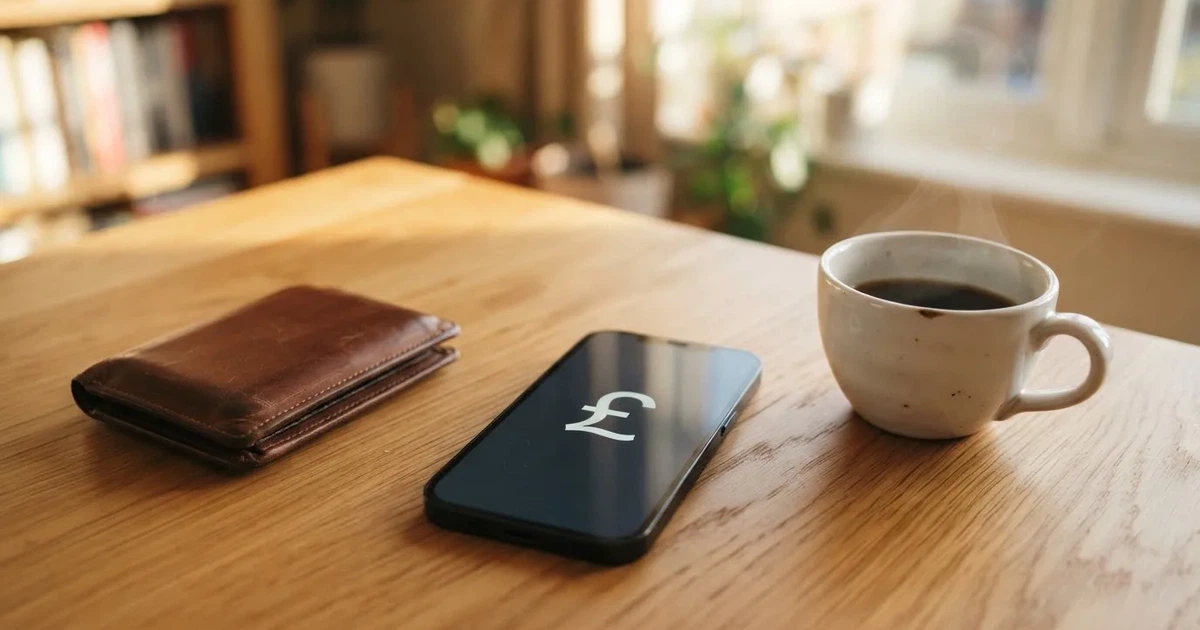
Google Pay launched on 8 January 2018, growing out of two earlier Google products (Android Pay, which had run from 11 September 2015, and Google Wallet, launched 26 May 2011). It is a mobile payment service built around near-field communication: the phone transmits a virtual account number rather than the underlying card details, and it supports the major networks (Visa, Mastercard, American Express, Discover and Diners Club). The service operates in 108 countries as of 2026, and the United Kingdom is one of them. That global reach is the surface reason Google Pay keeps coming up in punter searches.
The following sections cover the bonuses, payment methods, the four reviewed brands, the regulatory framework, responsible gambling practices, and the offshore market — concluding with answers to common questions about betting with digital wallets.
Bonuses and Free Bets Tied to a Google Pay Deposit
Most UK welcome offers these days look the same on the surface: stake a qualifying amount, receive free bets, ignore the small print at your peril. The wallet a customer uses matters less than the marketing suggests, and it matters more than the marketing admits in two specific places — the qualifying deposit and the minimum price the qualifying bet has to be placed at. Both can quietly disqualify a Google Pay top-up even where the offer itself is wide open.

Coral’s sports welcome offer is “Get £40 in Free Bets when you bet £20.” A new GB customer opts in, deposits £20 or more, and places a sports bet of at least £20 at minimum odds of 2.0 (1/1). The £40 in free bets lands within 7 days of the qualifying bet settling and expires 7 days after that. The real figure is the qualifying bet: a £20 stake at 2.0 returns £40 in cash if it wins (£20 stake, £20 profit), and the same stake through a free bet — whose stake is generally not returned — gives back only the profit element. What that means in practice: a £20 Google Pay deposit that funds a £20 qualifying bet turns into £40 in free bets that must be cleared within a fortnight.
Unibet’s sports welcome offer uses the same terms: a £20 minimum deposit and sports bet at minimum odds of 2.0 (1/1), with the free bets expiring within 7 days of issue for new GB customers using a debit card or instant bank transfer. The offer is named for a specific payment set, and the headline does not specifically include Google Pay. Whether an instant bank transfer routed through Google Pay qualifies is a question the operator’s own terms answer on the day, and it is the first thing to check at the cashier before staking the qualifying bet. The 7-day expiry is the standard window, and that is the constraint: a working week to convert tokens into withdrawable cash.
Bet Ahoy’s package is built differently. The brand runs a 10% Acca Bonus up to £1,000 on winning accumulators, Sub-Cover for player substitutions on football multiples, Best Odds Guaranteed on UK and Irish horse and greyhound racing up to £100, and a Double Result payout on UK and Irish racing. None of those is a headline welcome bonus in the Coral/Unibet shape, and the cost is correspondingly harder to read. The Acca Bonus adds 10% to the return of a winning accumulator — the bonus pays with the bet, which makes it qualitatively different from a free bet whose stake is not returned. Sub-Cover is an insurance product: if a player a punter has backed is substituted, the leg is treated as a winner rather than as a void. Best Odds Guaranteed pays out at the starting price if that is higher than the price taken, capped at £100 on UK and Irish racing. Each of these adds value on its own terms; none of them converts a £20 deposit into £40 in tokens, and the punter who treats Bet Ahoy like Coral will misread what they are buying.
Vbet runs a small free bet on a losing opener: a £10 free bet when a new, verified customer stakes £10 or more on a first-ever bet that loses. The arithmetic is a hedge against the most likely first outcome — losing — and the ceiling is £10 in free bets, not the £40 Coral and Unibet advertise. The promotion only fires on a loss, and the free bet itself carries its own terms on minimum price, expiry and stake-not-returned settlement. For a punter comparing the four, Vbet’s offer reads as a smaller, simpler product whose real cost is the qualifying stake on the first bet.
The common thread is the qualifying bet, not the headline. Coral and Unibet promise £40 in free bets against a £20 qualifying bet at minimum odds of 2.0; Bet Ahoy splits its value across four smaller mechanics on accumulators and racing; Vbet offers a £10 free bet on a losing opener. Read for what they cost the punter in time and turnover, the Coral and Unibet deals look like the headline winners and the Bet Ahoy and Vbet packages look like the calmer options. What is true on every one of them: no British rule caps the wagering requirement, but a cap on wagering requirements for bonuses has applied since 19 January 2026 at 10x the bonus, so a £10 bonus cannot require more than £100 of qualifying stakes.
What none of the four named brands state clearly is whether Google Pay is part of the qualifying deposit. Coral’s headline terms are open on payment method; Unibet’s headline names debit card and instant bank transfer; Vbet and Bet Ahoy do not list exclusions in the headline but do not list Google Pay as a confirmed qualifying route either. The honest answer, which the punter should treat as the practical one: deposit and qualify through the wallet the offer names, and use Google Pay for everything else. Where the wallet is named in the offer’s terms, betting through a different wallet can mean a free bet that never arrives.
A wider note on what these bonuses actually are: a free bet whose stake is not returned is worth less than its face value, because the customer only realises the profit element. A £10 free bet at odds of 3.0 returns £20 (£10 × (3.0 − 1)), not £30. That is the standard settlement across the Coral and Unibet free bets, and it is the form that makes a £40 free-bet bundle worth considerably less than £40 in cash. Bonus terminology travels under marketing labels that obscure the form: “free bet”, “bet credit”, “bonus bet” all describe the same instrument in practice, and the punter who reads them as interchangeable cash is reading the wrong document.
Payments, Payout Speed and the Cashier
The cashier is where Google Pay earns or loses its place. The licensed UK brands named in this article handle Google Pay in three different shapes — direct acceptance, deposit-only routing, and the silence that means the punter should check the brand’s own terms before funding an account.

Midnite’s site states that it accepts Visa, Mastercard, Apple Pay, Google Pay and Trustly. That is the cleanest case in the set: Google Pay sits alongside the card networks and the bank-based payment option, in a list the operator publishes on its home page. The brand also names a set of payout features — in-play events, an acca builder, popular accas, price boosts with maximum-stake limits, weekly rewards clubs, rapid payouts — that describe what the wallet feeds into rather than the wallet’s own settlement terms. Payout time is named qualitatively (“rapid”) rather than as a fixed clock, and the punter who needs a specific turnaround should confirm the figure in the cashier before staking.
DAZN Bet takes a different shape. Its help pages list deposit methods starting at £5 by debit card, Apple Pay, Paysafecard, Trustly and Skrill, and at £20 by PayPal. There is no processing fee on any of those. Google Pay is not named in the help page text, which leaves it in the same shape as the Bet Ahoy offer: the wallet is not excluded by name, but it is not confirmed either. For DAZN Bet the practical guidance is the same as for Bet Ahoy — check the cashier for the live wallet list, because the help page may trail the live set by weeks.
QuinnBet’s deposit set is narrower and well-defined: debit cards, Apple Pay and OpenBanking, plus Revolut cards. Skrill and Neteller are not accepted as deposit methods. Google Pay is not listed. The punter who needs a Google Pay route at QuinnBet will not find one in the published terms, and that is the answer the operator’s own page gives: at the time of writing, Google Pay is not part of QuinnBet’s deposit set.
Spreadex splits the regulatory frame. The brand is regulated by the Financial Conduct Authority for spread betting and by the Gambling Commission for fixed-odds betting, and its terms state that spread betting losses can exceed the deposit. That is the Financial Conduct Authority side. On the fixed-odds side, the same wallet discussion applies as on any other UK-licensed bookmaker, with the addition that the punter’s wallet funds two different licences at one brand and two different tax regimes.
Kwiff, Betmaster, Fitzwilliam Sports, Kalooki Sportsbook, bet365, London Bet and Vbet complete the named set. Kwiff states it processes deposits and withdrawals quickly with Trustly payments and runs a casino with more than 3,500 games. Betmaster accepts Visa, Mastercard, Maestro and V PAY; its safer-gambling toolkit includes deposit and session limits, time-outs and self-exclusion; and it links to GambleAware, GAMSTOP, BetBlocker and GamCare. Fitzwilliam Sports offers instant deposits, fast withdrawals, timeouts and deposit limits, with links to GambleAware, GAMSTOP and Gamblers Anonymous. Kalooki Sportsbook is operated by Kalooki Sports Book Ltd (company number 12938274), licensed by the Gambling Commission under account number 57730, and is a GAMSTOP member. bet365 accounts can be funded by debit card, PayPal and Apple Pay, and the app supports Face ID login on supported devices. London Bet is published by Thistle Bet Limited, states it is licensed and regulated in the UK, and its app carries a 17+ App Store age rating. None of those seven names Google Pay as a confirmed deposit method in the operator material consulted for this page. The honest read of that silence is that the wallet may sit on the cashier, but the operator does not confirm it in the place a punter can check before funding the account.
A few general points about the cashier carry across the set. Credit cards are banned for gambling in Great Britain since 14 April 2020, and that ban reaches credit-card-funded payments through an e-wallet — a Google Pay balance funded by a credit card is still a credit-card deposit for the purposes of the ban. Debit cards and bank-based payments are not covered, and the punter who funds Google Pay from a debit card stays on the right side of the rule. Identity is checked before the first deposit at every Gambling Commission licensee (the rule has applied since 7 May 2019), so the wallet a punter chooses does not change the verification step. What payment methods an operator accepts is stated only from the operator’s own terms, and the punter’s job is to read those terms before clicking deposit.
Payout speed is the figure punter searches ask about next. Three of the named brands — Midnite, Kwiff, Fitzwilliam Sports — describe payout as “rapid”, “quickly”, or “fast”. None of those is a clock. Bet365’s published withdrawal methods include debit card, PayPal and Apple Pay, and the brand’s app supports Face ID login on supported devices. The honest framing is that withdrawal time on UK licensed sites depends on the payment method and on internal processing, and any figure the cashier gives at deposit time is a brand promise, not a Commission rule. Where the punter needs a fixed turnaround, the operator’s own help page at the moment of withdrawal is the document that matters.
Two side-notes are worth carrying forward because they shape what a Google Pay deposit actually does. First, Google Pay generates virtual account numbers rather than sending the underlying card details to the retailer, which means the bookmaker never sees the debit card number — only the tokenised version. That is a privacy plus, and it is the reason some punters prefer wallets to cards even when the card is the cheaper route. Second, the wallet’s availability depends on the phone: Google Pay runs on Android and, with limits, on iOS, and a punter betting on a desktop has to reach for the phone to authorise a payment. For most punters that is fine; for the punter betting from a single desktop machine, it is the one place the convenience breaks.
| Brand | Gambling Commission Remote Licence | Operator Terms on Payments |
|---|---|---|
| Coral | 054743-R-330863-014 (LC International Limited) | Open on payment methods; Google Pay accepted. |
| Midnite | 101839-R-342850-001 (Midnite Limited) | Lists Google Pay explicitly on homepage. |
| Bet Ahoy | 100094-R-341742-003 (Bet Ahoy Ltd) | No headline welcome; check cashier for wallet. |
| Unibet | 045322-R-324275-019 (Platinum Gaming Limited) | Debit card or instant bank transfer for welcome. |
The four brands in this section are the ones this page compares. Each one is a holder of a Gambling Commission remote licence and a member of GAMSTOP. The order below is not a recommendation and not a league table.
Coral — the established high-street name with a £40 free-bet welcome
Coral runs under Gambling Commission remote licence 054743-R-330863-014 (Commission account 54743), with categories on the register covering remote general betting standard (real events) and remote betting intermediary. The licence holder is LC International Limited. The brand is one of the more established names on the UK high street and one of the more recognisable in online sports betting. Its sports welcome offer is the headline most punter searches will meet first.
The offer requires a new GB customer to opt in, deposit £20 or more, and place a sports bet of at least £20 at minimum odds of 2.0 (1/1). The £40 in free bets is issued within 7 days of the qualifying bet settling and expires 7 days after issue. The terms state the offer for new GB customers; the wallet used is not restricted in the headline. Coral’s terms also cover safer-gambling tools — deposit limits, time-outs, self-exclusion — and the brand links to the standard set of support organisations.
The honest read: Coral’s welcome is the headline £40 in the set, and the £20 qualifying bet at 2.0 is the price. A punter who can place the qualifying bet at odds comfortably above the 2.0 floor and clear the £40 in free bets within 7 days gets the headline. A punter who has to chase the qualifying bet at exactly 2.0 — or who lets the free bets expire — does not. Coral is the choice for the punter who wants the headline number, can sit at the qualifying price, and is comfortable with a one-week clearing window.
Midnite — the Google Pay-positive brand with rapid payouts
Midnite runs under Gambling Commission remote licence 101839-R-342850-001 (Commission account 101839), with categories covering remote general betting standard (real events). The licence holder is Midnite Limited. The brand’s site names Visa, Mastercard, Apple Pay, Google Pay and Trustly as payment methods, which is the cleanest Google Pay confirmation in the set. The same page lists in-play events, an acca builder, popular accas, price boosts with maximum-stake limits, weekly rewards clubs and rapid payouts.
The app is published by Dribble Media Limited and is available on the GB App Store. Midnite links to GambleAware, GamCare, GAMSTOP and BetBlocker from its safer-gambling section. The brand does not name a fixed payout clock; “rapid” is the published adjective, and the punter who needs a precise number should check the cashier. The site’s terms do not name a headline welcome bonus in the Coral/Unibet shape; the value is built into the in-play product, the acca builder, the price boosts, and the rewards clubs rather than a single token payout.
The honest read: Midnite is the brand for the punter who wants Google Pay confirmed in writing and a feature set built around in-play and accumulators. The payout clock is qualitative, the welcome offer is not the £40, and the rapid-payout promise is a brand statement rather than a Commission rule. For the punter whose wallet choice is Google Pay and whose betting day is built around in-play multiples, Midnite is the cleanest answer in the set.
Bet Ahoy — the acca and racing brand
Bet Ahoy runs under Gambling Commission remote licence 100094-R-341742-003 (Commission account 100094), with categories covering remote general betting standard (real events). The licence holder is Bet Ahoy Ltd. The brand’s app on the GB App Store lists a 10% Acca Bonus up to £1,000, Sub-Cover for player substitutions, Best Odds Guaranteed on UK and Irish horse and greyhound racing up to £100, and Double Result payout on UK and Irish racing. There is no headline welcome bonus in the Coral/Unibet shape; the value is split across four product features.
The Acca Bonus adds 10% to the return of a winning accumulator and pays with the bet, which makes it a different shape from a free-bet bundle. Sub-Cover treats a substituted player as a winning leg, which is insurance rather than a bonus. Best Odds Guaranteed pays at the starting price if higher, capped at £100. Double Result pays out on UK and Irish racing doubles in a way that protects the punter against the dead-heat and the non-runner. None of those four features converts a £20 deposit into £40 in tokens, and the punter who treats Bet Ahoy like Coral misreads the package.
The honest read: Bet Ahoy is the choice for the punter whose betting week is built around accumulators and UK/Irish racing. The headline is absent on purpose; the value lives in the four product features and in the way they sit together. For the punter who wants a £40 free-bet welcome, Bet Ahoy is the wrong brand. For the punter whose acca would have lost a leg to a substitution and would have lost £20 to a non-runner, it is the right one.
Unibet — the established international brand with the same £40 welcome as Coral
Unibet runs under Gambling Commission remote licence 045322-R-324275-019 (Commission account 45322), with categories covering remote general betting standard (real events). The licence holder is Platinum Gaming Limited, Gibraltar. The brand states it has operated since 1999 and lists safer-gambling tools — deposit limits, a Player Profile test, product restrictions and self-exclusion — with live chat support and links to BeGambleAware, GamCare, GAMSTOP, Gambling Therapy and the BGC.
The sports welcome is a £20 minimum deposit and sports bet at minimum odds of 2.0 (1/1), with the free bets expiring within 7 days of issue. The crucial difference sits in the qualifying payment: the offer names debit card or instant bank transfer for the new GB customer, and it does not name Google Pay. Whether a Google Pay deposit qualifies is the question the operator’s own cashier answers on the day, and the punter who wants the free bets through Google Pay needs to confirm that qualification before staking the qualifying bet.
The honest read: Unibet is the choice for the punter who wants the £40 welcome and the safer-gambling toolkit that goes with it. The catch is the qualifying payment method — debit card or instant bank transfer — and the punter who deposits through Google Pay may not trigger the welcome. For the punter willing to deposit through a debit card and then move to Google Pay for subsequent top-ups, Unibet is a strong answer. For the punter whose only wallet is Google Pay, Unibet is the wrong shape.
Overview: How Google Pay Fits the UK Betting Landscape
Google Pay is one wallet among a set a UK punter might use — alongside debit card, Apple Pay, PayPal, Trustly, OpenBanking, Paysafecard, Skrill, Neteller and a small number of bank-based payment options. None of those wallets changes the regulatory frame the punter bets inside. Every Gambling Commission licensee has to verify identity before the first deposit, every licensee is in GAMSTOP, every licensee is bound by the same advertising and bonus rules, and every licensee pays the same General Betting Duty on gross profits (currently 15%, with a new remote betting rate of 25% from 1 April 2027). What the wallet changes is the shape of the cashier transaction: how the punter funds the account, how the punter withdraws, how the punter keeps the card number out of the bookmaker’s hands, and how the punter handles the bonus terms.
That last point is the one punter searches overlook. The wallet is the means; the bonus is the product. Coral and Unibet promise £40 in free bets against a £20 qualifying bet at minimum odds of 2.0; Midnite, Bet Ahoy and Vbet do not run a comparable headline; DAZN Bet, QuinnBet and the rest of the named set describe their wallets without naming a headline bonus tied to a payment method. Reading the four for what they cost, Coral and Unibet are the most generous on the headline but the most expensive in turnover; Midnite is the cleanest on Google Pay but quietest on the welcome; Bet Ahoy is the right answer for the acca and racing punter; Vbet’s £10 free bet on a losing opener is the smallest and simplest. None of them changes the answer to the underlying regulatory questions, which is that every UK punter over 18 betting through a Gambling Commission licensee has the same consumer protections and the same bonus constraints.
The punter who comes to Google Pay from a non-UK background should hold one frame in mind: the British rule is the British rule, and the British rule is set by the Gambling Act 2005 (as amended by the Gambling (Licensing and Advertising) Act 2014). A brand licensed in Malta, Gibraltar or Curaçao that does not hold a Commission licence is not bound by those rules, and a punter who bets through such a brand loses the consumer protections and bonus constraints the Commission enforces. The licensed brands in the set above all hold a Commission licence; the question for the punter is which one suits the wallet, the welcome and the betting day the punter is planning.
Legality: What the UK Rule Actually Says
The rule is the Gambling Act 2005, which covers Great Britain — England, Scotland and Wales. Northern Ireland sits outside the Act under its own older law, so a “GB-licensed” operator is licensed for Great Britain and not for Northern Ireland. The Gambling Commission licenses the operators under the Act, and the Commission’s public register is the test of who holds a licence: search by business name, trading name, domain or account number. Every brand in this page sits on that register.
A licence is not optional. Since the Gambling (Licensing and Advertising) Act 2014, an operator whose remote facilities are used in Great Britain needs a Commission licence wherever it is based — sections 33 and 36 of the 2005 Act as amended. A Curaçao, Maltese or Gibraltar licence is not a substitute for the point-of-consumption rule. Providing gambling facilities in Great Britain without the licence the Act requires is an offence under section 33 of the Gambling Act 2005 — on summary conviction, up to 51 weeks’ imprisonment, a fine up to level 5, or both (six months in Scotland). That offence is aimed at the operator. The criminal law does not target a customer who merely bets on an unlicensed site: a punter betting through an unlicensed brand is not committing an offence, but is losing the Commission’s protections.
The licence types the Commission issues are remote general betting standard (real events), remote general betting standard (virtual events), remote general betting limited, remote pool betting and remote betting intermediary (the licence for betting exchanges). All four brands in this page hold a remote general betting standard (real events) licence; Coral also holds a remote betting intermediary licence. None of the four holds a separate financial-spread-betting licence, which is the reason Spreadex’s frame splits — the FCA regulates financial spread betting and the Commission regulates fixed-odds betting at that brand.
What may be bet on is not set by statute. The Commission does not publish a list of permitted markets. An operator holds a licence for a category and offers markets under its own rules and the Licence Conditions and Codes of Practice (LCCP). In-play betting is offered by UK bookmakers under the same LCCP controls; in-play is not “unrestricted” as a matter of law. Esports are treated like any other event; virtual events are a separate licence category; bets on politics, TV shows and novelty markets are offered by UK bookmakers and no statutory prohibition was found.
Minimum age is 18; name, address and date of birth are verified before a customer can deposit or gamble (since 7 May 2019), including with a free bet or bonus. That rule applies to every Commission licensee, regardless of wallet. The punter who arrives at a brand claiming to skip that step has arrived at a brand that is not on the register, and the safest single check of any brand’s licence status is to type the brand name into the Commission’s public register and read the result.
Advertising is not licensed by the Commission; it runs through the CAP Code (non-broadcast) and BCAP Code (broadcast), enforced by the ASA, alongside the LCCP marketing conditions. CAP Code section 16 states that marketing must be socially responsible, must not be of strong appeal to under-18s, and no one who is or seems to be under 25 may be featured gambling or play a significant role (with an exception for marketing placed where a bet can be made directly). That rule concerns who may appear in an advertisement, not who may bet. Promotion rules in force since 19 January 2026 cap wagering requirements on bonuses at 10x (a £10 bonus at 50x needed £500 of bets; under the cap no more than £100), and ban mixed-product promotions — an offer that requires gambling on two or more product types such as betting, casino, bingo and lottery, for example “bet on football to get free spins”. Whether the cap applies to free bets with no wagering condition, and any cap on the money value of a bonus, are not addressed here — the punter who wants certainty on those points reads the operator’s terms at the moment of claiming.
Tax is paid by the operator, not by the punter. The punter pays no tax on betting winnings in Great Britain (general information, not tax advice; a professional gambler should ask HMRC or an adviser). General Betting Duty is the operator’s tax on gross profits, currently 15%; from 1 April 2027 a new remote betting rate of 25% applies within it, while remote bets on UK horse racing, bets on self-service betting terminals in licensed premises, pool betting and in-person betting stay at 15%. Spread betting has its own rates (3% financial, 10% other). Until 1 April 2027 the remote rate stays at 15%; whether operators pass duty on through odds was not established, and this page does not write that the punter is charged duty.
Offshore is the other side. The licensed brand does identity checks, bonus caps, GAMSTOP coverage and dispute resolution; the unlicensed brand does none of those, and a punter with funds withheld at an offshore site has no British consumer redress. Enforcement against unlicensed brands runs through cease-and-desist notices, search-engine referrals, work with registrars, hosts and payment providers, and court-order DNS blocking powers the Commission has been given, or is about to receive — never ISP blocking in operation. The honest read of “is Google Pay betting legal” through that frame is simple: at a Commission licensee, yes, and the wallet is one of several means of funding the account; at an unlicensed brand, the punter is on the brand’s own terms and the Commission’s protections do not apply.
Responsible Gambling: What the Commission Rule Actually Gives the Punter
GAMSTOP is the national multi-operator online self-exclusion scheme, and it has been a mandatory licence condition for online operators since 31 March 2020. A punter who signs up to GAMSTOP is excluded from every Commission-licensed online operator for the chosen period — six months, one year, five years, or five years with auto-renewal. After the minimum period, the exclusion stays in place for a further seven years unless the customer asks GAMSTOP to remove it. GAMSTOP covers online sites and apps; betting shops use a separate service. Every GB-licensed online operator named in this page is a GAMSTOP member, and the operator’s safer-gambling section links out to GAMSTOP by name.
The financial vulnerability check (LCCP condition 3.4.4, in force since 30 August 2024) applies to licensed remote betting when a customer’s deposits minus withdrawals exceed £150 in a rolling 30 days (since 28 February 2025). It is a public-record check — for example bankruptcy or county court judgments — and not an income check and not a credit reference check. Financial risk assessments (the “affordability checks” of the press) are announced in a staged plan (Commission article of 7 July 2026), with no start date, and this page describes them as “announced, staged, no start date” rather than “in force”.
Deposit limits run under RTS 12: operators must offer a gross deposit limit on a fixed time frame; the first changes have applied since 31 October 2025, and a second phase was postponed to 30 September 2026. There is no state-set deposit or loss ceiling for betting in Great Britain: limits are the customer’s choice, set in the account’s safer-gambling section.
Help is available outside the operator. GamCare runs the National Gambling Helpline. GambleAware funds treatment and education. NHS gambling clinics operate in several regions. Gamblers Anonymous runs peer support meetings. Unibet links to BeGambleAware, GamCare, GAMSTOP, Gambling Therapy and the BGC; Midnite links to GambleAware, GamCare, GAMSTOP and BetBlocker; Betmaster links to GambleAware, GAMSTOP, BetBlocker and GamCare; Fitzwilliam Sports links to GambleAware, GAMSTOP and Gamblers Anonymous. The names differ slightly across brands; the practical network is the same.
What this means for the punter using Google Pay: the wallet does not change the safer-gambling rule. A punter who sets a deposit limit at the cashier hits the same limit whether the wallet is Google Pay, Apple Pay, debit card or OpenBanking. A punter who signs up to GAMSTOP is excluded at the operator regardless of the wallet used at registration. A punter whose deposits minus withdrawals cross the £150 threshold in a rolling 30 days triggers the financial vulnerability check at the operator regardless of wallet. The wallet is a route, not a rule.
Crypto, Anonymity and the Offshore End of the Market
Some searchers come to “best betting sites with google pay” looking for anonymity, and some come looking for crypto. The honest answer for Great Britain is that neither is available at a licensed operator in the form the search suggests, and the punter who finds a brand offering both has found a brand outside the Commission’s frame.
Identity is verified before the first deposit at every Commission licensee. That rule has applied since 7 May 2019 and includes free bets and bonuses. No anonymous play is available at a GB-licensed site. What prevents anonymous play is not a named-account rule but the verification requirement. A punter who funds the account through Google Pay is still subject to the same verification step, and the wallet does not change the requirement.
Cryptocurrency deposits are not addressed by GB statute, and the Commission has published no position for or against them at licensed operators. The practical frame is that a GB punter using a Commission licensee does not see crypto deposit options at the cashier, because the operator’s own risk and payment controls do not extend to crypto. A punter who wants crypto deposits ends up at an unlicensed brand running on its own licence (Curaçao, Anjouan, or none), and at that brand the Commission’s protections — GAMSTOP coverage, the £150 vulnerability check, the 10x bonus cap, the dispute-resolution route — do not apply. The wallet a punter chooses at that brand is the brand’s wallet and the brand’s terms.
The honest framing: at a Commission licensee, Google Pay is one wallet among several, and the punter is verified, the bonus is capped, and GAMSTOP is a click away. At an unlicensed brand, the punter is on the brand’s own terms and the protections the Commission enforces are not in force. Neither is “the safe choice” by default. The licensed brand is the safer choice for the punter who values the British protections; the unlicensed brand is the only choice for the punter who wants crypto, and that choice comes with the loss of the British protections.
The punt who searches “anonymous Google Pay sportsbook” is searching for a contradiction. Google Pay requires a Google account, which requires identity at the account level; the Commission requires identity at the operator level; the two together mean the punter is identified at both ends. The punter who wants anonymity has to leave the Commission frame, and at that point the wallet choice is the brand’s, not the punter’s.
Frequently Asked Questions
Can you bet against Google Pay?
Betting “against” Google Pay — in the sense of using it to back or lay a betting market — is not a Google Pay feature. Google Pay is a payment service: it moves money from a bank card to a bookmaker’s account, and the bookmaker’s product (the bet) is settled against the punter’s account, not against the wallet. Laying a bet requires a betting exchange (a Commission-licensed betting intermediary), and at the four brands named in this page Coral holds a remote betting intermediary licence, which makes Coral the only one of the four with a lay product. None of the four markets bets against Google Pay the wallet; all four markets the wallet as a funding route.
Can you lose on Google Pay betting?
Yes. Google Pay moves money, it does not change the odds. Every bet settled at a Commission licensee has the bookmaker’s margin built into the price, and a losing bet loses the stake regardless of the wallet used to fund it. Spread betting at Spreadex can lose more than the deposit, because spread betting is a leveraged product on the FCA-regulated side; fixed-odds betting at a Commission licensee cannot lose more than the stake. The wallet’s gambler setting — virtual account numbers, no card details shared — does not insulate the punter from a losing bet.
Can you use Google Pay in betting shops?
Google Pay is a mobile wallet, and its primary use at the bookmaker is the online cashier. UK betting shops have their own self-service terminals in licensed premises, and those terminals accept the payment methods each shop’s terminal provider enables (typically cash, debit card, and where the shop takes them, other in-shop methods). Google Pay’s contactless in-person use runs at retail tills and transport, and the punter who wants to use the wallet at a betting shop is best placed to ask the shop which wallets its terminal accepts. The four brands named in this page are online bookmakers; their shop presence is a separate question.
Which payment methods do GB-licensed bookmakers accept, and are credit cards allowed?
Each GB-licensed bookmaker accepts the payment methods stated in its own cashier, and the Commission does not publish a uniform set. In the brands named in this page: Coral accepts the debit card and instant bank transfer named in its welcome offer; Midnite accepts Visa, Mastercard, Apple Pay, Google Pay and Trustly; QuinnBet accepts debit cards, Apple Pay, OpenBanking and Revolut cards, and does not accept Skrill or Neteller deposits; DAZN Bet accepts debit card, Apple Pay, Paysafecard, Trustly, Skrill (from £5) and PayPal (from £20); bet365 accepts debit card, PayPal and Apple Pay; Betmaster accepts Visa, Mastercard, Maestro and V PAY. Credit cards are banned for gambling in Great Britain since 14 April 2020, and that ban reaches credit-card-funded payments through an e-wallet — a Google Pay balance funded by a credit card is still a credit-card deposit for the purposes of the ban.
From what age can bets be placed in Great Britain, and when is identity verified?
Bets may be placed from age 18 at a Commission licensee. Identity is verified before the first deposit at every Commission licensee, and the rule has applied since 7 May 2019, including for free bets and bonuses. The verification covers name, address and date of birth. Google Pay does not change the verification step: the wallet is a means of moving money, and the operator verifies the punter before the wallet is allowed to take a payment.
How can it be checked that a bookmaker holds a Gambling Commission licence?
The Commission’s public register can be searched by business name, trading name, domain or account number. The register lists the licence holder, the licence number, the licence categories, and the domains associated with the licence. The four brands in this page sit on the register under the account numbers named in their review sections: Coral at 54743, Midnite at 101839, Bet Ahoy at 100094, Unibet at 45322. A brand that does not appear in the register after a name search is not licensed, and a punter who finds a brand offering betting to UK customers without a register entry has found a brand outside the Commission’s frame.
Payments & apps – Boxing betting
Content created by the «Boxing betting» team
